
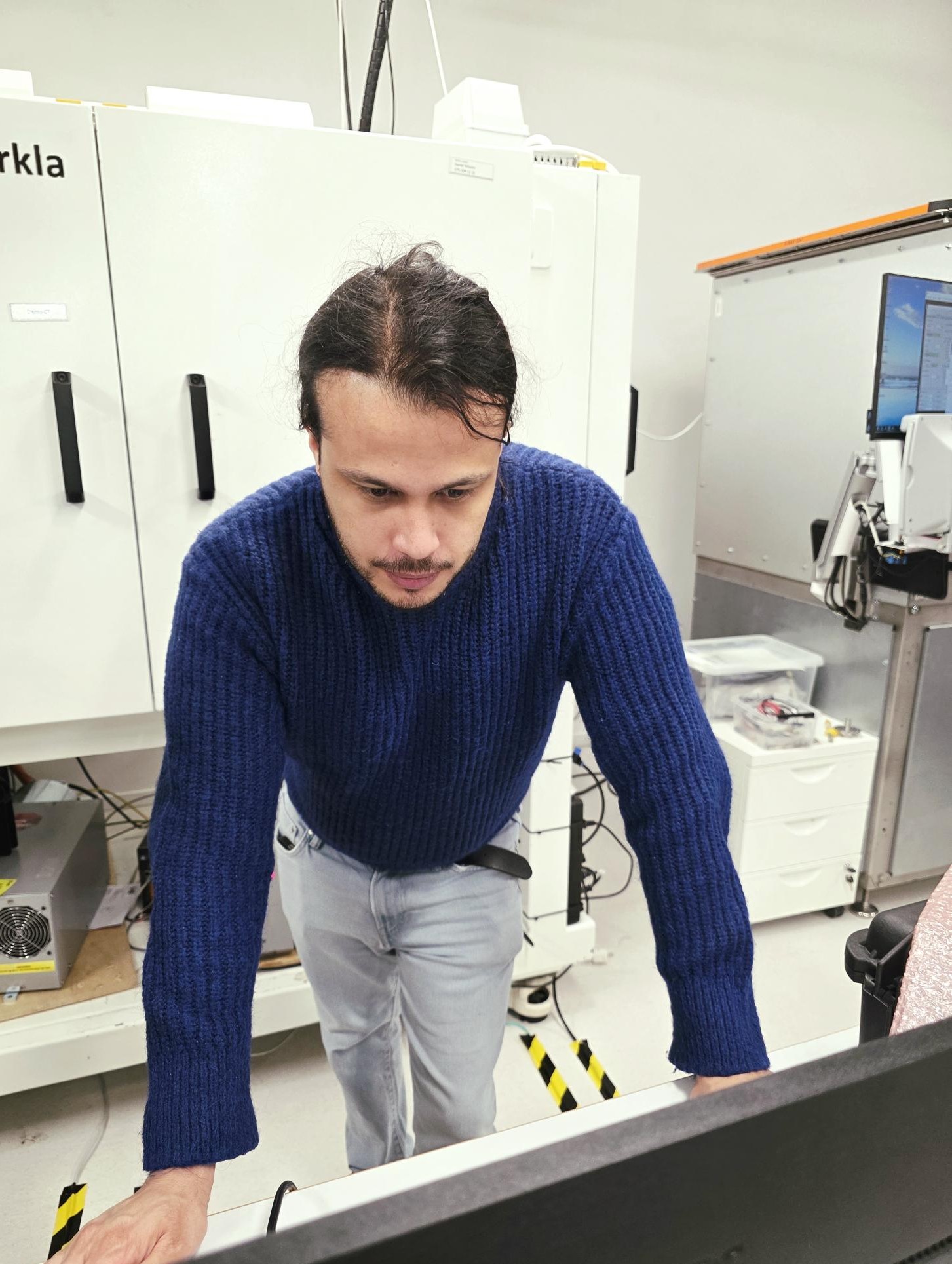
"We make fancy detectors." That's how Erik Maddox, our senior application scientist, summed up ASI in a mission-statement workshop. Half joking, but not wrong.
Since 2011 we've built detectors for people doing real work in chemistry, physics, materials science and biology. The detector sits at the heart of any analytical instrument. It decides how fast you can collect data, how faint a signal you can still trust, and which experiments are even possible. Most scientists use one every day without giving it a second thought, and that's the point: the instrument should disappear behind the science.
So we don't lead with the technology. We start with what you're trying to measure. Our job is to take our core technology, the hybrid pixel detector, and turn it into something you can actually live with: easy to integrate, easy to run, maintenance-free, and flexible enough to fit the setup you already have.
ASI started with a conviction. In 2011, Jan Visser, Niels van Bakel and Hans Roeland Poolman decided that the rest of science deserved access to a technology that until then lived mostly inside CERN: Medipix.
The Medipix2 collaboration had produced two new detector chips, Medipix-2 and Timepix-1. Both were built for X-ray work, like synchrotron beamlines, and both were frame-based detectors despite the Timepix name. But it didn't take long to notice the chips were just as interesting for transmission electron microscopy and ion detection. Even in those first chips, the obsession was already clear: speed and sensitivity.
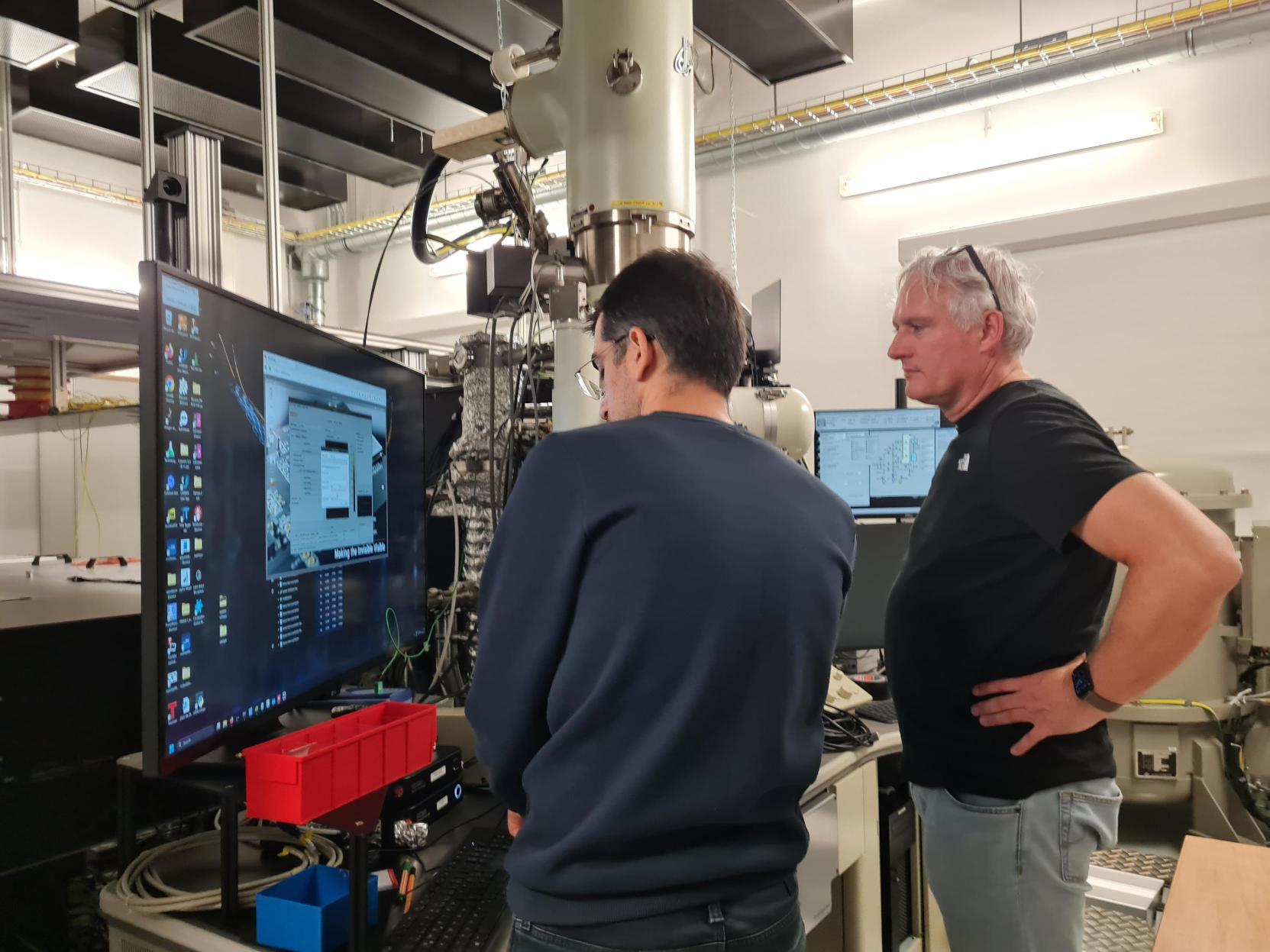
In the early days ASI lived inside the Nikhef building, sharing benches, equipment and expertise with the Nikhef development group. That closeness paid off fast. The first ASI X-ray systems, built around Timepix-1, shipped in 2012 to SLAC at Stanford and to Princeton.
.jpg)
Around the same time, AMOLF researcher Ron Heeren (now a distinguished professor at M4I in Maastricht) saw something others hadn't. Pixelated time-of-flight detectors could transform imaging mass spectrometry. He spun out a startup, Omics2Image, to build Timepix-1-based detectors for imaging TOF-MS. Omics2Image later folded into ASI, and the combined team set its sights on a more capable chip, Timepix-3.
By 2013 ASI was building on CERN's Medipix3 collaboration and its two chips, Medipix-3 and Timepix-3. Medipix-3 turned out to be a gift for 3D electron diffraction in the TEM. Its detection limits and frame rate made it possible to solve crystal structures of nanomaterials. Timepix-3 was something else entirely. Instead of reading out frames, it recorded individual events in time, down to 1.56 nanoseconds. The benefit for TOF-MS was obvious. The open question was more interesting: where else would a detector like this matter?
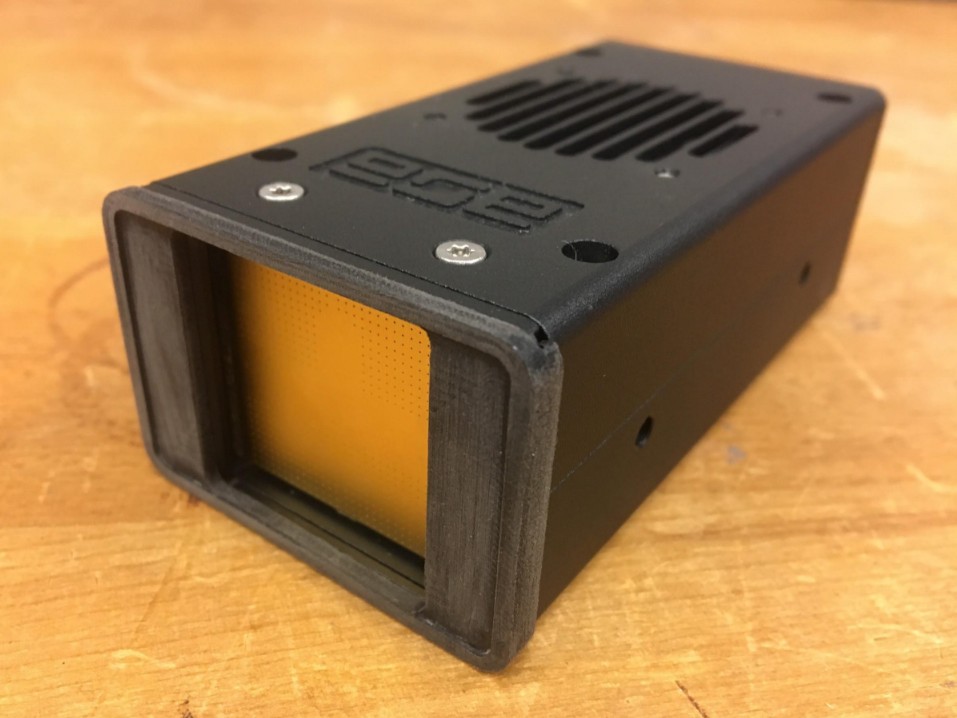
In 2015 the team gave the work two names, and two directions: CheeTah for electron detectors, LynX for X-ray.
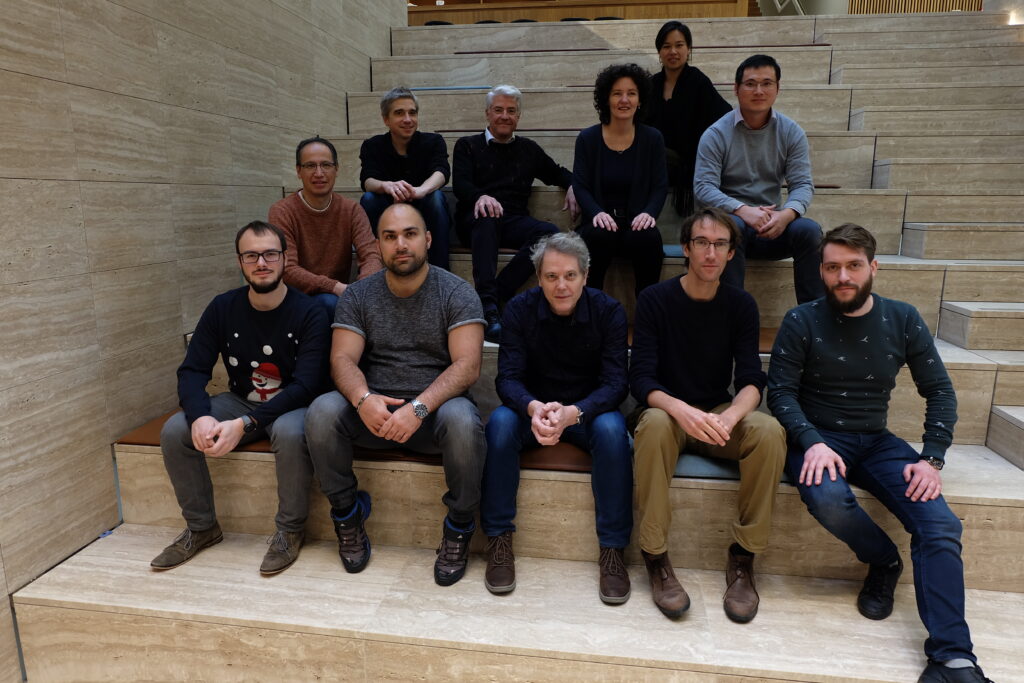
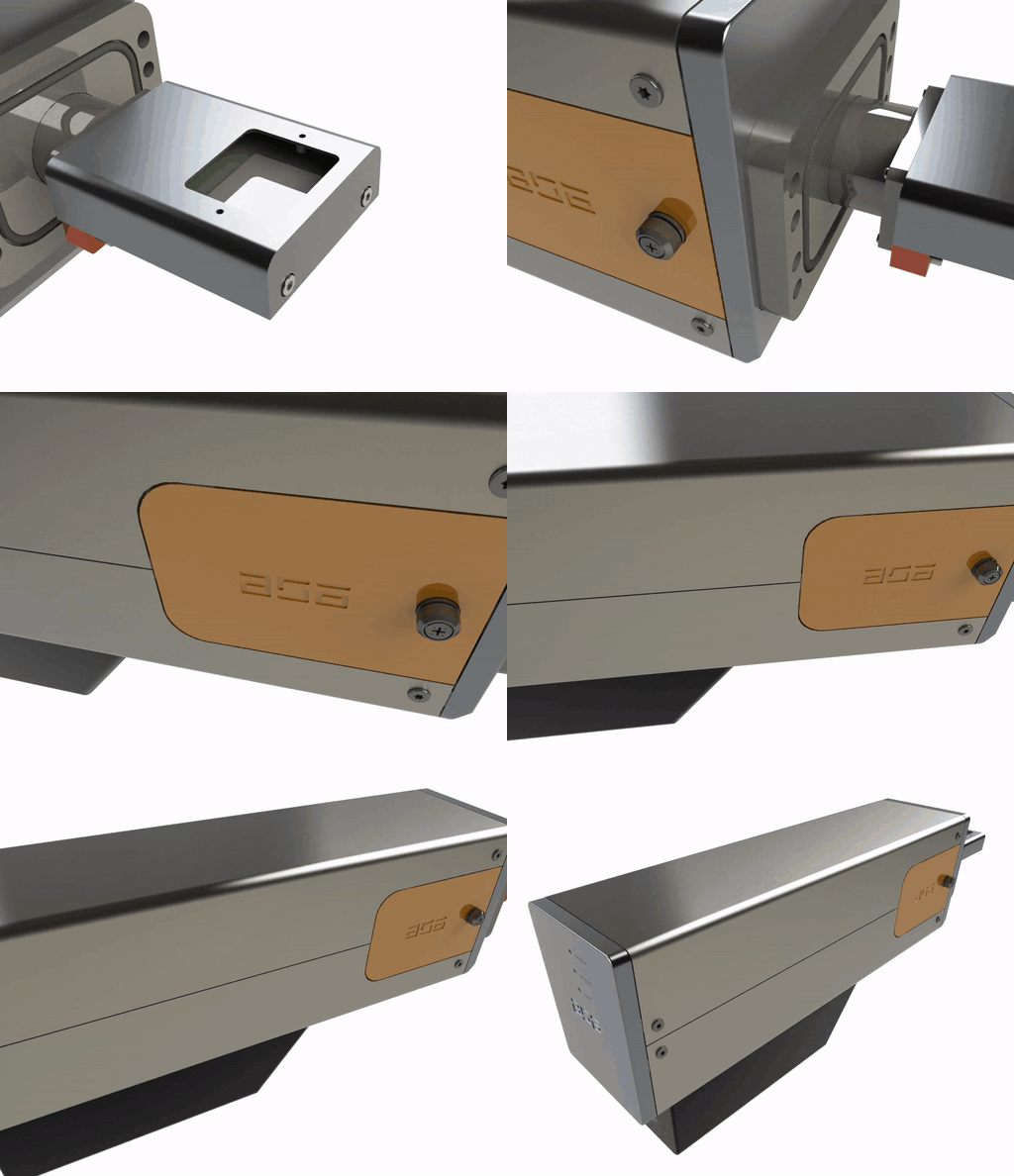
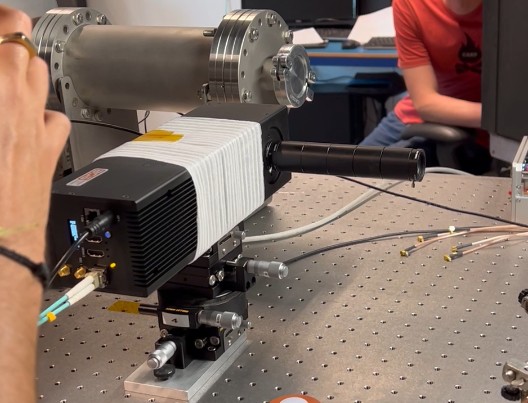
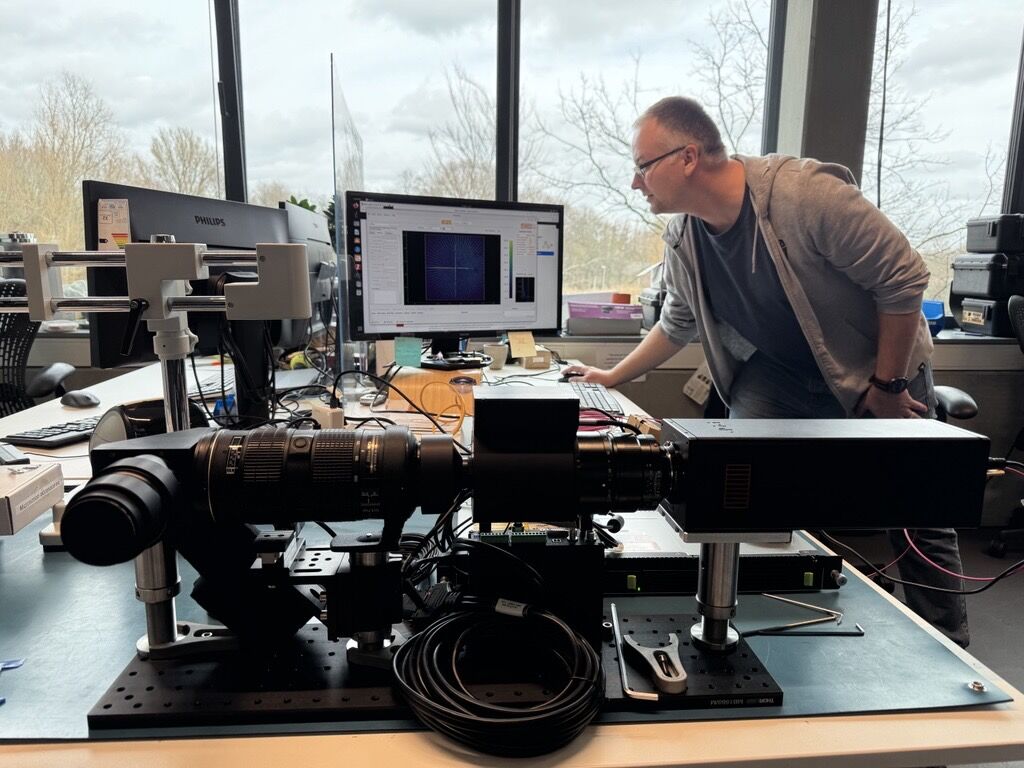
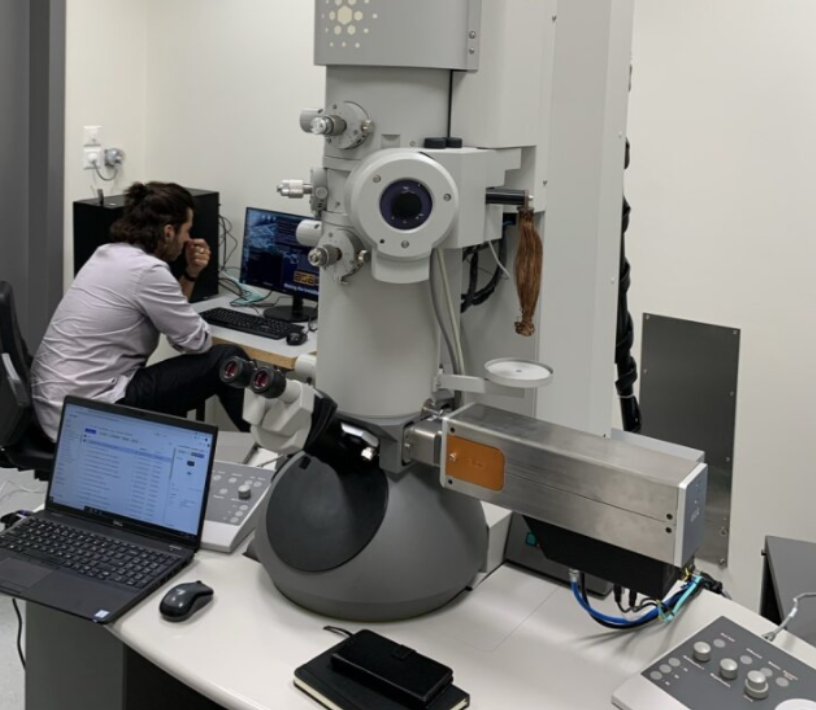
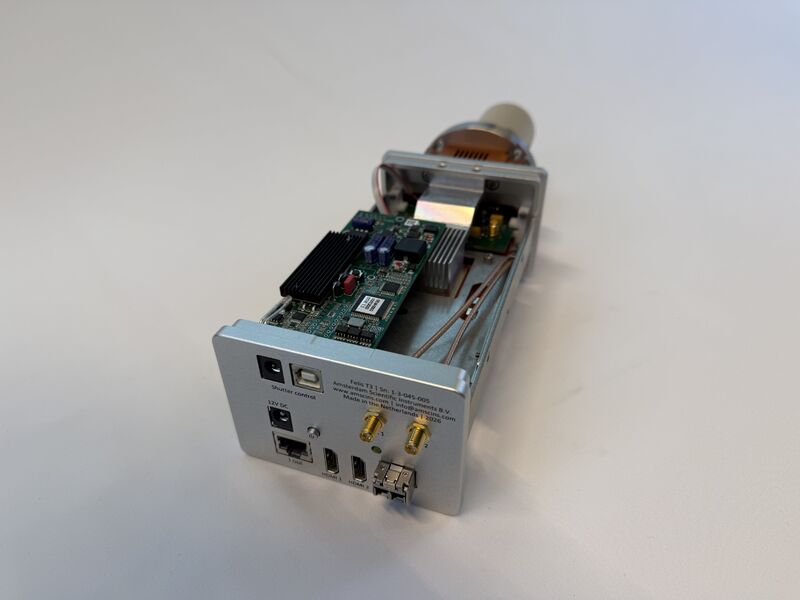
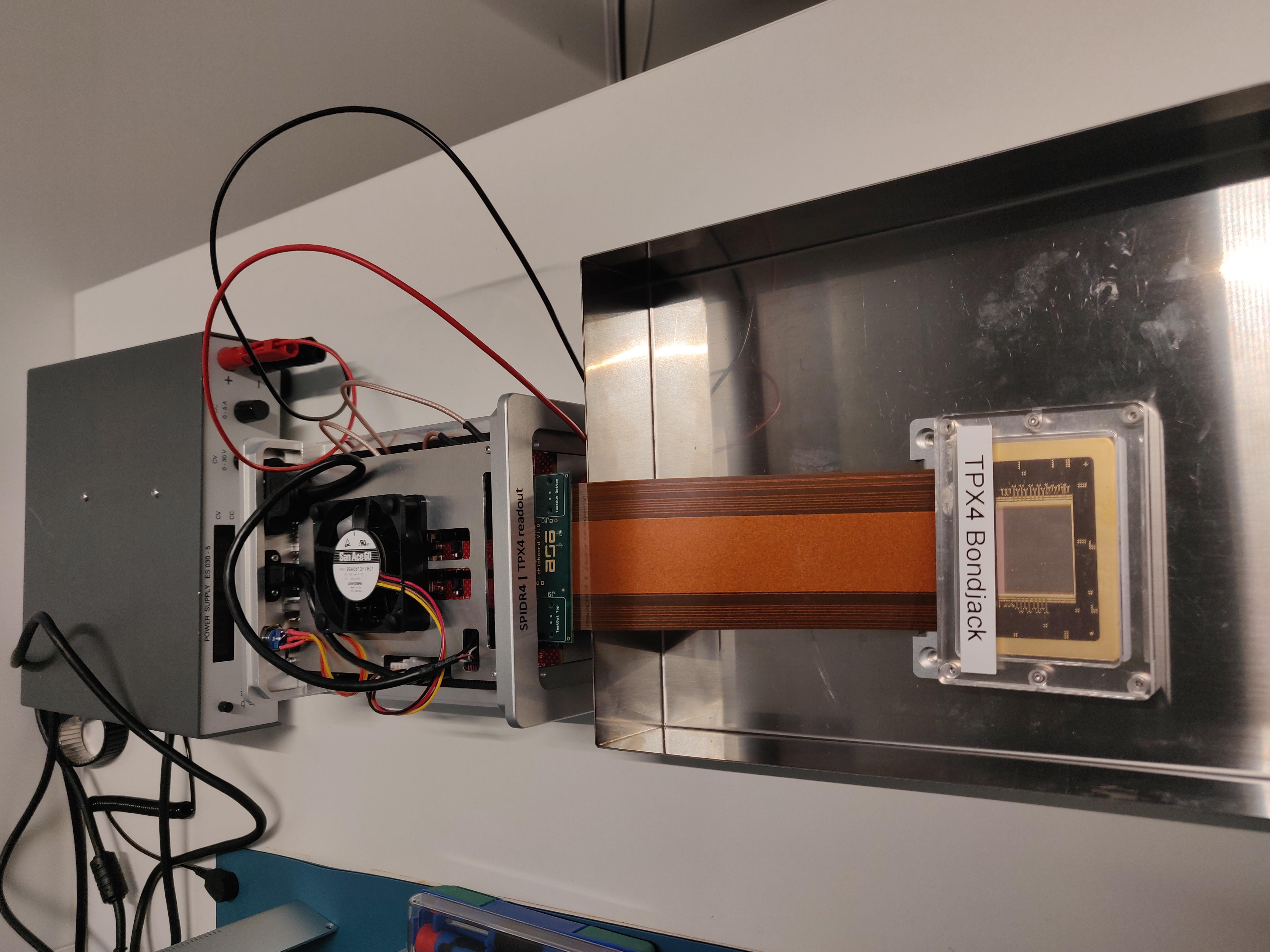
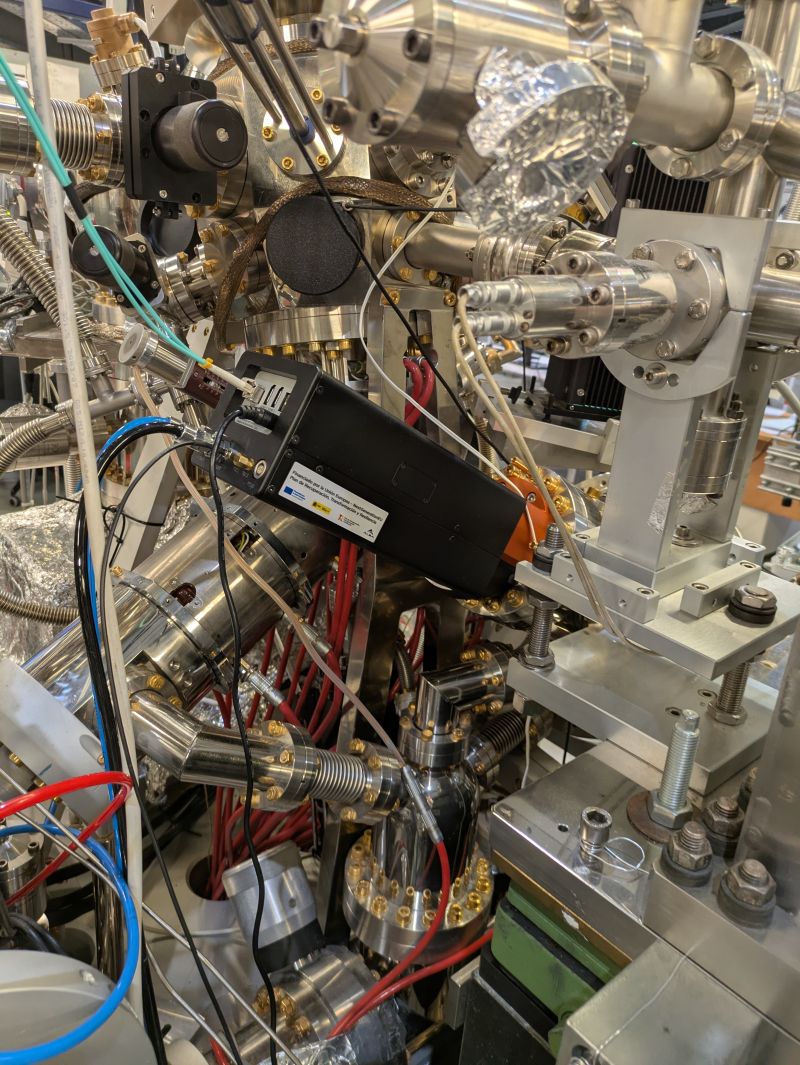
A multidisciplinary team combining physics, engineering, software, and detector expertise to push the boundaries of scientific instrumentation.

CEO


CTO

COO

Quantum Applications

Detector R&D

Electron Detectors

Electron Detectors
Detector R&D

Production & Logistics
Global Sales & Export Control

X-ray Detectors

Ion Imaging & Mass Spectrometry

Head of Administration

Detector R&D

Electron Detectors

Detector R&D
Embedded Firmware
Neutron Detectors
X-ray & Electron Detectors
Electron Detectors
Non-Executive Director
Non-Executive Director
.svg.webp)